
MHFA IN THE MEDIA

How do we address Miami’s housing crisis?
It’s 2040, and all Miamians live in safe, quality homes that they can afford, paying no more than 30% of their income on the rent or mortgage. These apartments or houses are close to jobs, schools, grocery stores, and places for the community to gather and recreate. Parents can get home in time to make and enjoy dinner with their families or take part in restorative activities like exercise and recreation. Black and Hispanic residents have equitable access to these homes.

Miami has the chance to build affordable homes on city-owned land. Don’t blow it.
We certainly need them. According to the University of Florida, Miami-Dade lacks 68,400 affordable homes for households earning up to about $55,000, or 80% of the area median income (AMI). By comparison, there is only a shortage of 2,500 units for those earning up to about $82,000 per year, or 120% AMI. This proportionate need is similar within the city of Miami.

JPMorgan Chase commits $7.45 million to Miami-Dade’s affordable housing push
JP Morgan Chase said Friday it’s going to spend $7.45 million to help build sustainable affordable homes in Miami-Dade and close the gap in home affordability among people of color.
Annie Lord, executive director of Miami Homes for All, hopes that the housing upgraded and built with the banking company’s grants can help displaced residents in lower-income communities.

Miami Dade County commissioners approve second units for some homeowners
Regalado, a sponsor of the ordinance, said this new law allows for affordable housing that ensures those who have ADUs in their homes are not doing it illegally.

Push to legalize ‘accessory dwelling units’ in some areas of Miami-Dade gets closer to goal
“These kinds of dwellings are probably already in existence,” Lord said. “I think we all kind of know people who live in a situation where they are renting a unit on someone else’s property.”
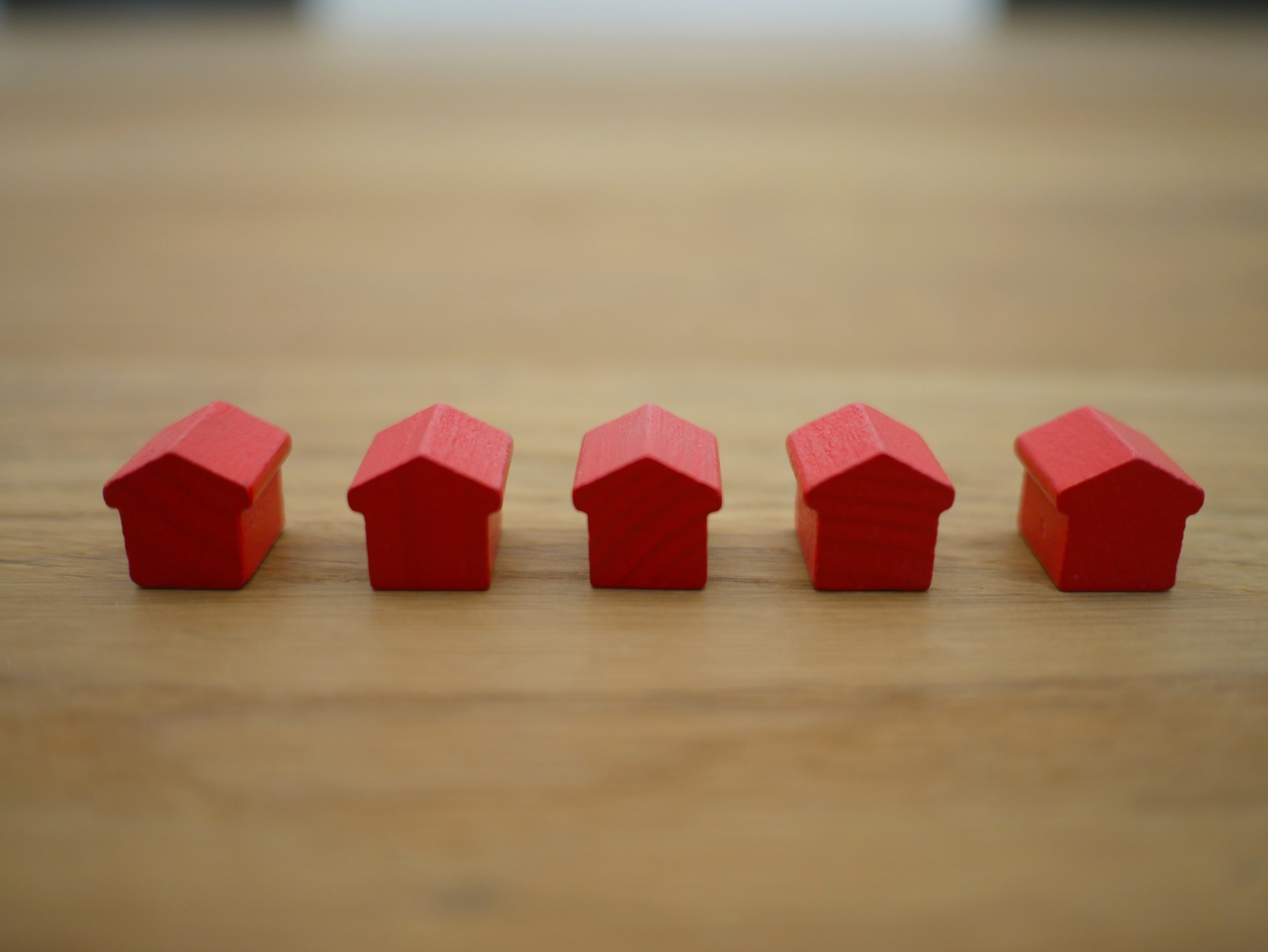
Miami-Dade County Evictions Surpass Pre-Pandemic Levels
The federal government and Miami-Dade County enacted moratoriums on evictions during the COVID-19 pandemic to help those who were financially impacted. When the county's moratorium expired last July, Miami-Dade saw a wave of evictions as landlords rushed to oust tenants once the barrier was down.
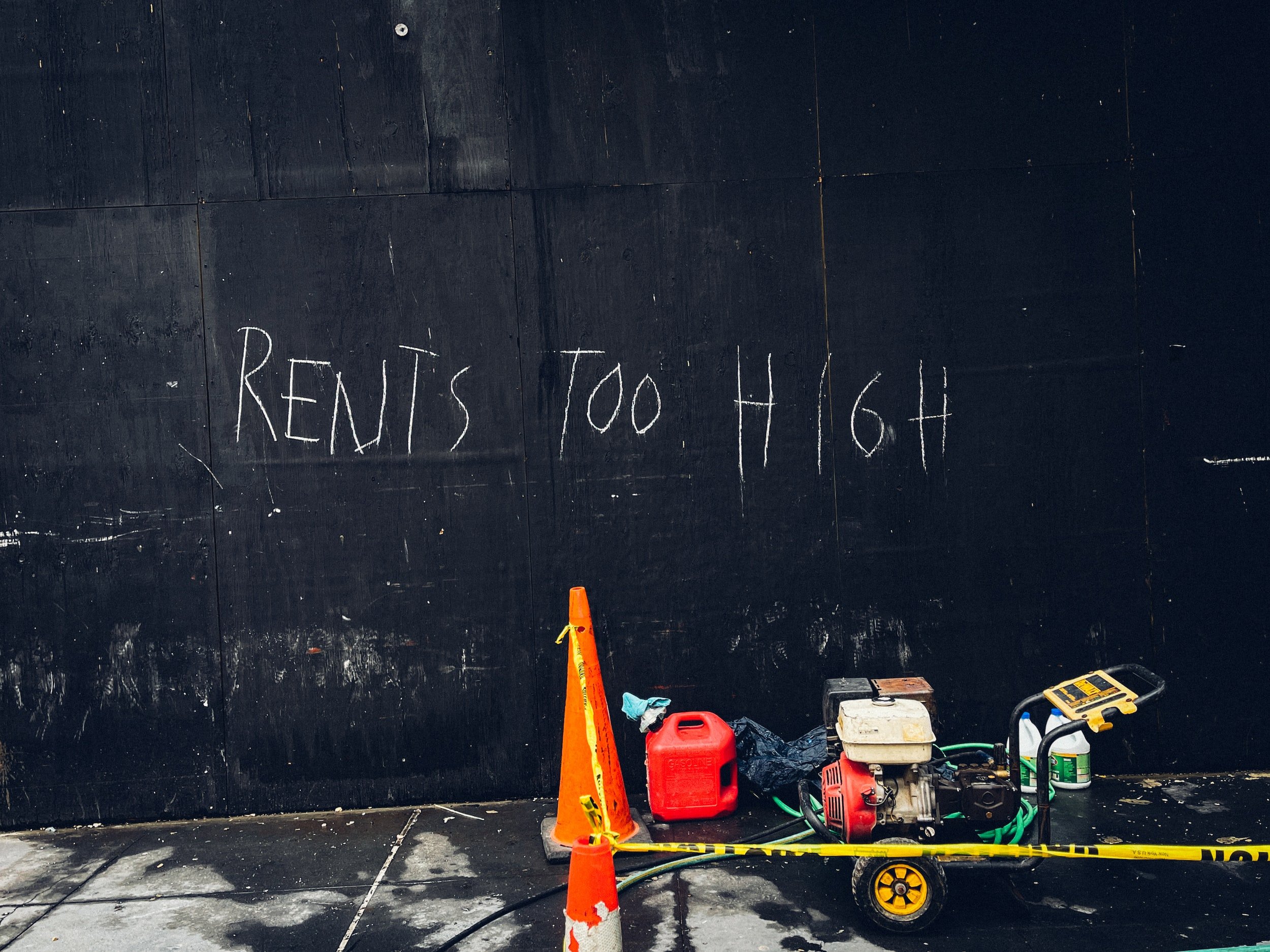
Tenants Bill of Rights will help protect vulnerable renters — and Miami-Dade’s economy | Opinion
As Miami-Dade residents try to heal and return to normal after navigating the lingering crisis of the COVID-19 pandemic, we now face an unprecedented spike in the cost of basic necessities, including — and especially — the cost of rent.

Displacements, evictions in Hialeah: Human tragedy of Miami-Dade’s housing crisis persists
However, in March the average rent in Hialeah for a studio apartment went up 18% to $1,150 a month. And the cost of a one-bedroom apartment rose 7% to $1,550 a month, while average rent for a two-bedroom place jumped 10% to $2,099, according to Zumper, an online rental platform.
For Media Inquiries
Contact our Communications Manager, Daniela Roger: daniela@miamihomesforall.org